


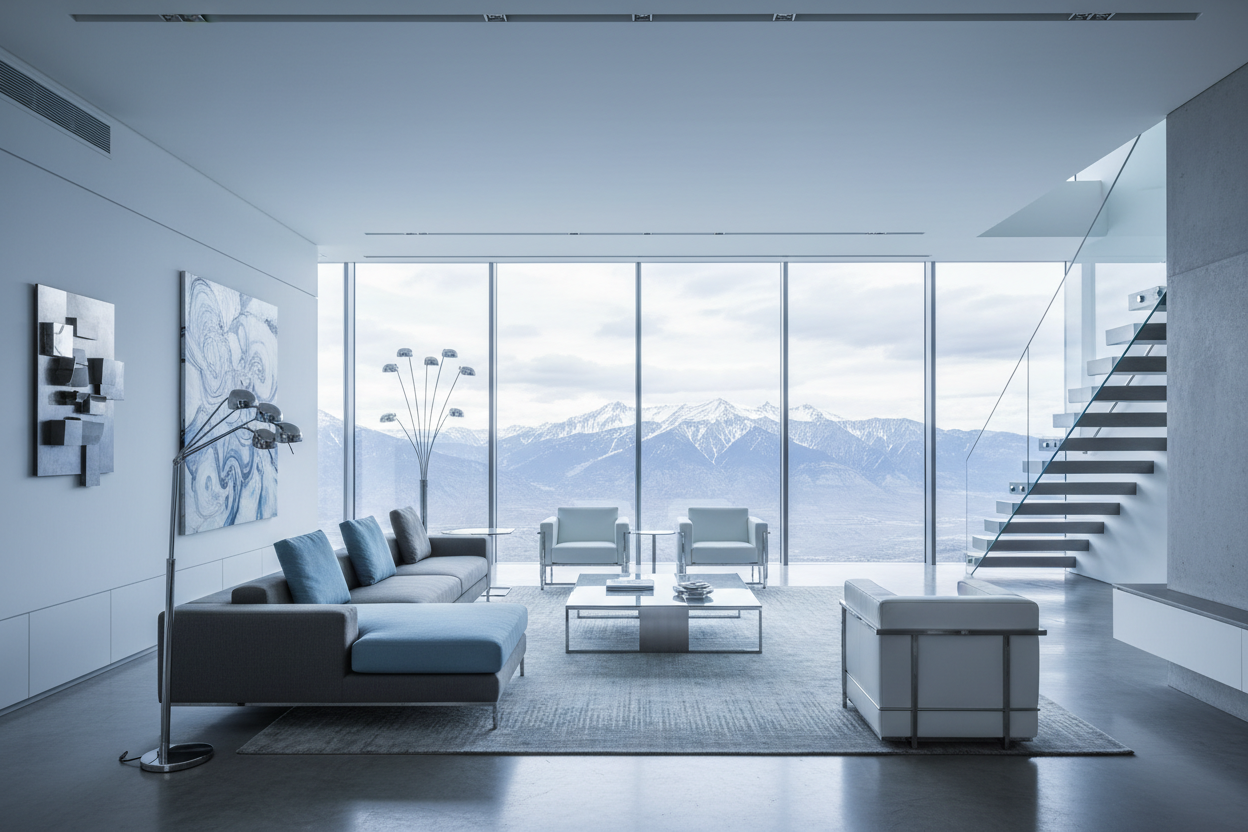
The Future is Now: Embracing Modern 3D Printed Decor
In the fast-paced world of interior design, staying ahead of the curve is paramount. As we navigate 2026, a groundbreaking technology is rapidly transforming how we adorn our living spaces: 3D printing. Once confined to industrial applications and rapid prototyping, 3D printing has now firmly established itself as a powerful tool for creating unique, personalized, and stunning modern decor. This article will delve into the exciting realm of 3D printed decoration, exploring its benefits, applications, and the boundless creative possibilities it offers for contemporary homes and businesses.
What is 3D Printed Decor?
At its core, 3D printing, or additive manufacturing, involves building three-dimensional objects layer by layer from a digital design. For decor, this means designers and consumers can create intricate and complex shapes that were previously impossible or prohibitively expensive to produce using traditional methods. From vases and lampshades to sculptures and even furniture elements, the applications are as vast as your imagination. The process typically uses materials like advanced plastics, resins, metals, and even eco-friendly composites, allowing for a wide range of textures, finishes, and structural integrity.
The Advantages of 3D Printing in Modern Decor
The allure of 3D printed decor lies in its numerous advantages:
- Unparalleled Customization: Perhaps the most significant benefit is the ability to create truly bespoke pieces. Need a vase that perfectly matches your existing color scheme or a wall art piece with a specific geometric pattern? 3D printing allows for precise customization down to the millimeter, ensuring your decor is a perfect reflection of your personal style.
- Design Freedom and Complexity: Traditional manufacturing often imposes limitations on intricate designs. 3D printing liberates designers, enabling them to create flowing, organic, or highly detailed structures that add a unique artistic flair to any room. Think of delicate latticework on a lampshade or complex fractal patterns on a decorative panel.
- Sustainability and Material Innovation: Many 3D printing materials are recyclable or made from recycled content. Furthermore, the on-demand nature of 3D printing reduces waste associated with mass production. Innovations in biodegradable filaments and eco-friendly resins are making 3D printed decor an increasingly sustainable choice.
- Cost-Effectiveness for Unique Pieces: While mass-produced items might still be cheaper, for unique, one-off, or highly customized pieces, 3D printing can be more cost-effective than traditional artisanal methods. This democratizes access to high-end, personalized design.
- Rapid Prototyping and Iteration: For designers, 3D printing allows for quick iteration of designs. They can print a prototype, assess its aesthetics and functionality, and make adjustments rapidly, leading to more refined and innovative final products.
Transforming Spaces with 3D Printed Elements
The impact of 3D printed decor is visible across various applications:
Vases and Planters
Forget cookie-cutter pots. 3D printed vases and planters can feature astonishing geometries, textures, and integrated features like self-watering systems. Their lightweight yet durable nature makes them perfect for both indoor and outdoor use.
Lighting Fixtures
Lampshades and light fixtures take on an artistic dimension with 3D printing. Intricate patterns can create stunning light diffusion effects, casting unique shadows and moods. Customizable sizes and shapes ensure the perfect fit for any lighting need.
Wall Art and Sculptures
Elevate your walls with bespoke 3D printed art. From abstract sculptures to personalized relief panels, these pieces add depth, character, and a modern edge to any interior. The ability to create complex, interlocking forms opens up new possibilities for wall decoration.
Home Accessories
Think beyond the obvious. 3D printing can create unique organizers, decorative bowls, coasters, drawer pulls, and even custom hardware, all tailored to specific needs and aesthetic preferences.
Furniture Components
While full furniture pieces are still developing, 3D printing is already being used for intricate furniture legs, decorative inlays, handles, and accent pieces, allowing for a fusion of traditional craftsmanship with futuristic design elements.
The Materials Behind the Magic
The versatility of 3D printed decor is closely tied to the diverse range of materials available:
- PLA (Polylactic Acid): An eco-friendly, biodegradable plastic derived from corn starch, popular for its ease of printing and wide color availability.
- PETG (Polyethylene Terephthalate Glycol): Offers increased durability and temperature resistance compared to PLA, making it suitable for functional items.
- Resins: Offer highly detailed prints with smooth finishes, ideal for intricate decorative items and sculptures.
- Metals: Advanced 3D printing techniques can create stunning decor from metals like steel, brass, and aluminum, offering a luxurious and durable aesthetic.
- Composites: Blends of materials, such as wood-filled or ceramic-filled filaments, offer unique textures and appearances, mimicking traditional materials with the benefits of 3D printing.
The Future of 3D Printed Decor
As technology continues to advance, we can expect 3D printed decor to become even more integrated into our lives. Larger print volumes, faster printing speeds, and the development of even more advanced and sustainable materials will unlock new design frontiers. Imagine entire walls with integrated, custom-designed patterns, or furniture that perfectly conforms to your ergonomic needs. The collaboration between designers, architects, and 3D printing specialists will undoubtedly lead to even more innovative and inspiring interior solutions.
Conclusion
In 2025, modern 3D printed decor is no longer a niche concept; it's a vibrant and accessible way to infuse your living spaces with unparalleled creativity, personality, and cutting-edge design. Whether you're a homeowner looking for that perfect statement piece or a designer seeking to push the boundaries of aesthetics, embracing 3D printed decor offers a glimpse into the future of interior design – a future that is customizable, sustainable, and beautifully unique.

Leave a comment
This site is protected by hCaptcha and the hCaptcha Privacy Policy and Terms of Service apply.