


The Unseen Influence: How Your Home's Design Shapes Your Well-being
In 2026, we're increasingly recognizing the profound connection between our living spaces and our overall well-being. Interior design is no longer just about aesthetics; it's a powerful tool that can significantly influence our mood, productivity, and even our physical health. The colors we choose, the shapes that surround us, the textures we interact with – all play a crucial role in creating an environment that fosters happiness and tranquility. Let's explore how to harness the power of interior design to elevate your well-being.
The Psychology of Color: Painting Your Way to a Happier Home
Colors are more than just visual stimuli; they evoke emotions and can have a direct impact on our psychological state. Understanding color psychology is key to designing a home that supports your well-being.
- Blues: These are known for their calming and serene qualities. Soft blues can lower stress levels and promote a sense of peace, making them ideal for bedrooms and bathrooms.
- Greens: Evoking nature, green is a balanced and restorative color. It can reduce eye strain and create a feeling of harmony, perfect for living areas and home offices.
- Yellows: Optimistic and cheerful, yellow can boost mood and stimulate creativity. Use it in moderation, perhaps as an accent color, to bring warmth and energy to a space.
- Reds: A powerful and energetic color, red can increase heart rate and stimulate appetite. It's best used in small doses to add passion and excitement, perhaps in a dining room or a creative studio.
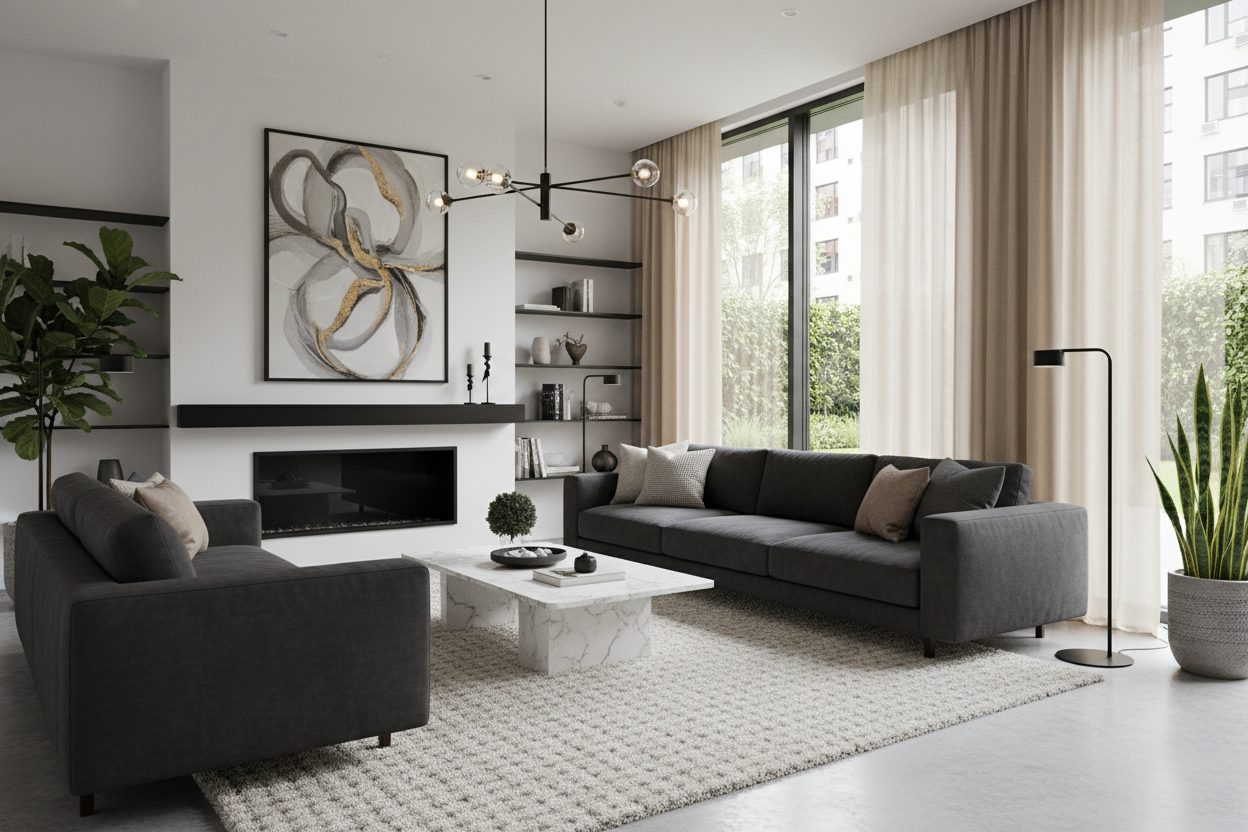
- Neutrals (Whites, Grays, Beiges): These provide a sense of calm and spaciousness. They serve as a versatile backdrop that can be easily enhanced with pops of color, promoting a clean and uncluttered mind.
The Power of Shapes: Creating Flow and Harmony
The shapes present in our homes also subtly influence our feelings. Sharp, angular lines can sometimes create a sense of tension, while softer, curved forms tend to feel more welcoming and soothing.
- Curved Lines: Think of rounded furniture, arched doorways, or circular rugs. These elements create a sense of softness, flow, and comfort, encouraging relaxation and a feeling of ease.
- Organic Shapes: Inspired by nature, these shapes (like those found in plants or pebbles) bring a sense of natural balance and tranquility into the home.
- Geometric Shapes: While sharp angles can sometimes feel jarring, carefully placed geometric patterns can add structure and a sense of order, which can be grounding for some individuals.
Texture and Materials: Engaging the Senses
The tactile experience of our environment is fundamental to our well-being. Different textures can evoke various feelings, from cozy comfort to invigorating stimulation.
- Soft Textures: Plush rugs, velvet upholstery, and soft throws invite touch and promote a sense of warmth and security.
- Natural Materials: Wood, stone, and natural fibers like cotton and linen connect us to nature, promoting a sense of calm and grounding.
- Smooth Surfaces: Clean, smooth surfaces can contribute to a sense of order and sophistication, aiding in mental clarity.
Layout and Light: The Foundation of a Well-Designed Space
Beyond color and form, the fundamental layout and lighting of your home are critical for well-being.
- Natural Light: Maximizing natural light is essential. It boosts mood, regulates sleep patterns, and reduces the need for artificial lighting, which can sometimes cause eye strain. Large windows, strategic placement of mirrors, and light-colored walls can all help amplify daylight.
- Room Layout: A well-organized and functional layout promotes ease of movement and reduces feelings of clutter and frustration. Consider the flow between rooms and ensure spaces are designed for their intended purpose.
- Artificial Lighting: Layered artificial lighting (ambient, task, and accent) allows you to adjust the mood of a room and is crucial for functionality, especially during darker hours. Warm-toned bulbs are generally more conducive to relaxation.
Creating Your Sanctuary in 2026
In 2025, making conscious decisions about your home's interior design is an investment in your own happiness and health. By thoughtfully considering the interplay of colors, shapes, textures, and light, you can transform your living space into a true sanctuary that nurtures your mind, body, and soul. Embrace the power of design to create a home that not only looks good but feels good, too.

Leave a comment
This site is protected by hCaptcha and the hCaptcha Privacy Policy and Terms of Service apply.